
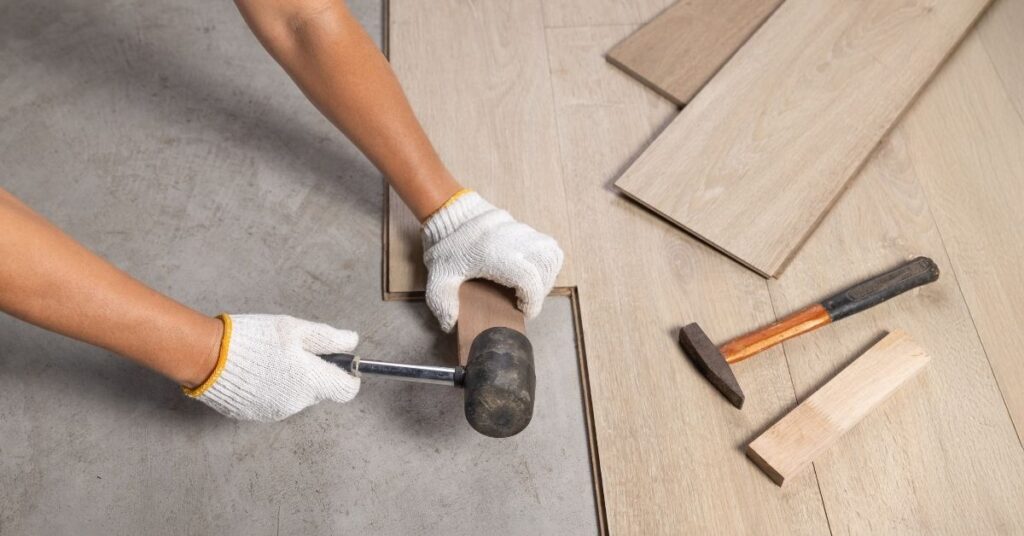
When considering a flooring upgrade, many homeowners wonder whether they can save time and money by installing vinyl flooring directly over existing tiles. The short answer is yes—in most cases, you can install vinyl flooring over tile. However, the success of this project depends on several crucial factors, including the condition of your existing tiles, the type of vinyl you choose, and proper preparation techniques.
This comprehensive guide explores everything you need to know about installing vinyl flooring over tile, from the benefits and challenges to step-by-step preparation methods and expert recommendations.
Understanding the Basics: Why Install Vinyl Over Tile?
Installing vinyl flooring over existing tiles has become an increasingly popular choice among UK homeowners undertaking renovation projects. Rather than enduring the messy, time-consuming, and expensive process of removing old tiles, laying vinyl directly over them offers a practical alternative that can transform your space without the disruption.
Vinyl flooring has evolved significantly over the years. Modern vinyl options include luxury vinyl tiles (LVT), vinyl planks, and sheet vinyl, each offering remarkable durability, water resistance, and aesthetic appeal. These products can convincingly mimic the appearance of natural materials like wood, stone, or ceramic whilst providing superior comfort underfoot and easier maintenance.
The practice of installing vinyl over tile makes particular sense in bathrooms, kitchens, and utility rooms where tiles are commonly found. These moisture-prone areas benefit from vinyl’s water-resistant properties, and the existing tile surface provides a stable, solid foundation when properly prepared.
Key Considerations Before You Begin
Before deciding to install vinyl flooring over your existing tiles, several important factors require careful evaluation. Understanding these elements will help determine whether this approach is suitable for your specific situation.
Assessing Your Existing Tile Condition
The condition of your current tile flooring is the most critical factor in determining whether you can successfully install vinyl over it. Your tiles must meet certain criteria:
Essential Requirements:
- Tiles must be firmly adhered to the subfloor with no loose, cracked, or damaged pieces
- The surface should be relatively level, with height variations no greater than 3mm over a 1-metre span
- Grout lines must be in good condition and fully intact
- No signs of moisture damage, mould, or mildew beneath the tiles
- The floor must be structurally sound without any flex or movement when walked upon
If your tiles show significant damage, have multiple cracks, or feel loose underfoot, installing vinyl directly over them is not advisable. In such cases, tile removal becomes necessary to prevent future problems with your new flooring.
Understanding Different Vinyl Flooring Types
Not all vinyl flooring is created equal, and your choice will influence the installation process:
- Luxury Vinyl Tile (LVT) and Luxury Vinyl Plank (LVP): These click-together floating floors work exceptionally well over tile. They don’t require adhesive and can accommodate minor surface imperfections. The interlocking mechanism creates a stable floor that sits atop the tile without bonding to it.
- Sheet Vinyl: This continuous flooring requires a smooth surface and is typically glued down. While it can be installed over tile, the preparation process is more demanding, as every grout line and imperfection will telegraph through the vinyl.
- Peel-and-Stick Vinyl Tiles: These adhesive-backed tiles offer easy installation but require an extremely smooth, level surface. Grout lines can prevent proper adhesion and create an uneven appearance.
Height and Clearance Concerns
Adding vinyl flooring over existing tiles will raise your floor height by approximately 2-10mm, depending on the underlayment and vinyl thickness. This elevation change affects several areas of your home:
Door clearances may need adjustment, particularly for doors that already sit close to the floor. You might need to trim door bottoms or install transition strips where the new floor meets adjacent rooms. Kitchen appliances like dishwashers and refrigerators could face clearance issues. Skirting boards and architraves will have a visible gap beneath them unless you plan to add trim or replace them.
Preparing Tiles for Vinyl Installation: A Step-by-Step Approach
Proper preparation is the cornerstone of a successful vinyl-over-tile installation. Rushing this phase or cutting corners will inevitably lead to problems down the line. Here’s how to prepare your tiled surface correctly.
Thorough Cleaning and Degreasing
Begin by removing all furniture and fixtures from the room. Sweep or vacuum the entire floor to eliminate loose dirt and debris. Next, deep clean the tiles using a suitable degreaser or heavy-duty floor cleaner, paying particular attention to kitchens where grease accumulation is common.
After cleaning, rinse the floor thoroughly with clean water and allow it to dry completely. This process may take 24-48 hours in humid conditions, so factor this time into your project schedule.
Repairing Damaged Areas
Inspect every tile carefully for cracks, chips, or loose pieces. Remove any damaged tiles and fill the void with a suitable floor repair compound or self-levelling underlayment. For loose tiles, you have two options: remove them and fill the space, or attempt to re-secure them using appropriate adhesive.
Examine the grout lines closely. If grout is crumbling, missing, or damaged, repair these areas with fresh grout and allow adequate curing time before proceeding.
Addressing Grout Lines and Surface Irregularities
Grout lines present the primary challenge when installing vinyl over tile. These recessed channels create an uneven surface that can telegraph through vinyl flooring, particularly with thinner products. You have several options to address this issue:
- Self-Levelling Compound Application: This is the most effective solution for creating a perfectly smooth surface. Pour the compound over your tiles following the manufacturer’s instructions, allowing it to flow into grout lines and level itself. Most self-levelling compounds require 24-48 hours to cure fully.
- Embossing Leveller: Specifically designed for smoothing textured surfaces, embossing leveller fills grout lines and minor imperfections. Apply it with a trowel, working it into every grout line and across the tile surface. This product creates a smooth canvas for vinyl installation.
- Underlayment Panels: Thin plywood or cement board underlayment can be installed over tiles, creating a new, smooth surface. This approach adds more height but provides an excellent substrate for any vinyl type. Ensure panels are securely fastened and seams are filled and sanded smooth.
Final Surface Preparation
Once your levelling compound or underlayment has cured, lightly sand the surface to remove any high spots or rough areas. Vacuum thoroughly to remove all dust. For adhesive-down vinyl installations, many professionals recommend priming the prepared surface to improve adhesion. Follow your chosen vinyl manufacturer’s recommendations regarding primers.
How LB Group Approaches Flooring Projects
When tackling flooring installations as part of broader home renovation projects, working withexperienced professionals can make a significant difference in the final outcome. LB Group brings eight years of expertise to home renovation projects throughout London, and their approach to flooring installations reflects the same attention to detail that has earned them numerous five-star reviews.
The team at LB Group understands that flooring is more than just a surface, it’s a fundamental element that affects both the functionality and aesthetic appeal of your home. Whether you’re renovating a bathroom, updating a kitchen, or transforming any living space, their professionals assess each project individually to determine the most suitable approach.
For homeowners considering vinyl flooring over existing tiles, LB Group’s renovation specialists can evaluate your specific situation, identifying potential challenges before they become problems. This thorough assessment ensures that your flooring installation will stand the test of time, combining durability with the style you envision for your home.
Installation Methods for Different Vinyl Types
Vinyl flooring installation methods vary by product type. Understanding the differences helps determine whether installation can be handled as a DIY task or requires professional expertise.
Floating Vinyl Planks or Tiles
Floating vinyl is one of the easiest options to install over tile. Click lock edges allow planks or tiles to connect without adhesive. An appropriate underlayment is installed first to provide cushioning, sound reduction, and moisture protection. Installation begins in one corner and continues row by row, maintaining a 5 to 8mm expansion gap around the room perimeter. This gap is later concealed by skirting or trim. Floating vinyl tolerates minor surface imperfections, though smoother preparation improves long term performance.
Glue Down Vinyl
Glue down vinyl creates a permanent and stable floor but requires careful surface preparation. Once the tiled surface is smooth and primed, adhesive is applied in small sections using the correct trowel. Planks or tiles are pressed firmly into place and rolled to ensure full contact, with close attention to seams. This method demands accuracy and patience, as poor adhesion can lead to lifting or bubbling.
Sheet Vinyl
Sheet vinyl requires an exceptionally smooth surface, as imperfections will be visible through the material. After preparation, a room template is created and transferred to the vinyl sheet for precise cutting. Adhesive is applied in sections, and the sheet is laid carefully, smoothed, and fully rolled. Due to the complexity and handling required, sheet vinyl installation over tile is best completed by experienced professionals.
Common Challenges and How to Overcome Them
Even with careful preparation, installing vinyl over tile can present challenges. Being aware of these potential issues helps you address them effectively.
Telegraphing of Grout Lines
Despite your best efforts, grout lines may still be visible or felt through vinyl flooring, particularly with thinner products. If telegraphing occurs after installation with floating vinyl, you can potentially lift the floor and add additional underlayment. With glued-down vinyl, correction is far more difficult, emphasising the importance of preparation.
Moisture Issues
Tiles themselves are impervious to moisture, but water can seep through grout lines or damaged areas, potentially becoming trapped beneath vinyl flooring. Always ensure your existing tile installation has no moisture problems before covering it.
Floor Height Changes
The added height from vinyl over tile creates transitions to adjacent rooms that require careful management. Transition strips come in various styles—T-mouldings, reducers, and thresholds—each designed for specific situations.
Expert Guidance from Renovation Specialists
Renovating your home is a journey full of choices, and one of the key decisions that can affect the overall look and feel, as well as practicality of your space, is flooring. This is where a specialist team like the one at LB Group comes in, with years of experience in turning average properties into something extraordinary. They know how flooring fits into the bigger picture of your renovation project.
So, whether you’re renovating a single room or going for a full home makeover, and regardless of whether your property is a Victorian terrace, a flat, a townhouse or a loft conversion in London, it’s good to have a team of experts on hand to help with the various decisions you need to make so that you can make the most of your home and still be happy with your choices years down the line. Renovations that are truly great not only look good, but they are practical and built to last. It all starts with the right choice of basics, like flooring.
Long-Term Maintenance and Care
Once you’ve successfully installed vinyl flooring over your tiles, proper maintenance ensures it remains beautiful and functional for years to come. Vinyl flooring is remarkably low-maintenance compared to many alternatives, but it does require appropriate care.
Regular Maintenance Practices:
- Sweep or vacuum regularly to remove dirt and grit that can scratch the surface
- Clean spills immediately to prevent staining or moisture penetration at seams
- Use pH-neutral cleaners specifically designed for vinyl flooring
- Place protective pads under furniture legs to prevent indentations
- Use doormats at entrances to minimise tracked-in dirt and moisture
- Avoid harsh chemicals, abrasive cleaners, or steam mops that can damage vinyl
With proper care, quality vinyl flooring installed over tile can last 15-25 years or more, providing excellent value for your investment.
When Professional Installation Makes Sense
Whilst many homeowners successfully install vinyl flooring as a DIY project, certain situations benefit from professional expertise. Consider hiring experienced renovation specialists when your project involves extensive surface preparation requirements, large areas that demand precision and efficiency, commercial-grade or specialised vinyl products, integration with other renovation work such as kitchen or bathroom updates, or uncertainty about your existing tile’s suitability for vinyl installation.
Professional installers bring specialised tools, proven techniques, and warranty protection that DIY installations cannot match. For homeowners across London seeking quality renovations that merge craftsmanship with lasting results, partnering with established professionals ensures your flooring project achieves the exceptional standard your home deserves.
Conclusion
We hope you have found all the factors, pros and cons helpful in deciding if vinyl flooring over tiles is a viable option for your circumstances. You will find it is an excellent option when the tiles are in good condition, have good adhesion, are relatively flat and free of moisture issues, you are on a budget for your renovation, wish to avoid unnecessary mess and disruption during installation and the specific vinyl product you like is one that can be laid over tiles.
Other options may be recommended when tiles are damaged, loose or failing, there are moisture or structural issues under the tiles, very high levelness is required for your chosen flooring, or covering the existing floor is not permitted by building codes or your lease.
In cases that are not straightforward or where you may be unsure of the right approach, it is always good to discuss your situation with renovation professionals.
Frequently Asked Questions
Can I install underfloor heating before laying vinyl over tiles?
Yes, but with important considerations. Electric underfloor heating mats can be installed over tiles using self-levelling compound before adding vinyl. However, ensure your vinyl flooring is rated for use with underfloor heating, as excessive heat can damage some vinyl products. Always follow manufacturer guidelines for maximum temperature limits, typically around 27°C for the floor surface.
How long does vinyl flooring last when installed over tiles?
When properly installed over well-prepared tiles, quality vinyl flooring typically lasts 15-25 years or more. The longevity depends on the vinyl quality, foot traffic levels, maintenance practices, and whether the underlying tile remains stable. Luxury vinyl products generally outlast budget options, making them worthwhile investments for long-term durability.
Will the vinyl flooring feel different over tiles compared to standard installation?
Generally, no significant difference exists if proper preparation and underlayment are used. Floating vinyl floors with quality underlayment provide excellent comfort over tiles. However, if grout lines aren’t properly filled, you might feel slight irregularities underfoot with thinner vinyl products. Proper surface preparation eliminates these concerns.
Can I remove vinyl flooring later without damaging the tiles underneath?
Floating vinyl floors can be removed easily without affecting tiles beneath, making this approach completely reversible. Glued-down vinyl is more challenging—whilst removal is possible, adhesive residue remains on tiles and requires thorough cleaning. Some adhesives may damage tile surfaces during removal, particularly with glazed tiles.
Do I need planning permission or building regulation approval to install vinyl over tiles?
For typical residential installations in your own home, planning permission and building regulations approval are not required for flooring changes. However, if you’re in a leasehold property, check your lease terms—some prohibit floor covering changes or require landlord approval. Listed buildings may have restrictions on alterations, even seemingly minor ones like flooring.

Sunny Saini is a certified heating engineer with over 15 years of experience in maintaining and repairing boilers. He specializes in diagnosing complex boiler issues and providing reliable solutions to ensure homeowners stay warm and comfortable throughout the year.




![]=](https://localboiler.co.uk/wp-content/uploads/2024/05/Untitled-design-96-300x300.jpg)