
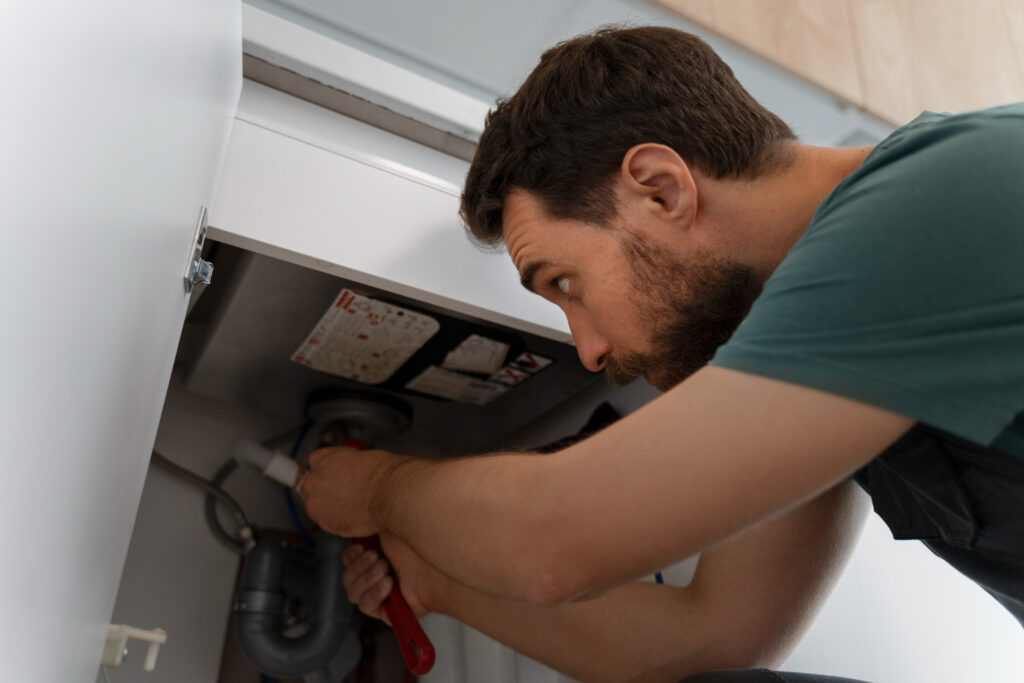
It’s understandable to feel worried when you see water around the base of your boiler. When your boiler leaks water from the bottom, it’s not just an inconvenience, but it may also be a sign of serious boiler or plumbing issues. If you don’t take action to solve the problem, you may experience corrosion, electrical shock, or complete boiler failure.
In this comprehensive guide, we will help you understand the common reasons for a boiler leaking from the bottom, what you can do to address the issue safely, and when to contact professionals, like those at Local Boiler, for an inspection, diagnosis, and recommendation.
Why Is My Boiler Leaking Water from the Bottom?
When a boiler leaks, it’s a warning that something isn’t right in the system. From internal pressure to corrosion or worn components, it’s important to understand the cause to stop the problem from getting worse.
Below are the most common reasons your boiler might be leaking from underneath:
1. High Boiler Pressure
When boiler pressure exceeds its safe operating limit, water will often escape through the pressure relief valve as a safety measure.
- Cause: Overfilled boiler or malfunctioning pressure gauge.
- Symptoms: Water dripping from a small copper pipe (the overflow) beneath the boiler.
- Fix: Check your boiler pressure, it should typically read between 1 and 1.5 bar when cold. If it’s too high, you can bleed your radiators to release pressure.
2. Corrosion in Internal Components
Over time, corrosion can weaken your boiler’s metal parts, including pipes and the heat exchanger. When these components degrade, water may begin leaking from the base.
- Cause: Rust and oxidisation due to oxygen exposure or poor water treatment.
- Symptoms: Brownish water stains or rust marks near the leak.
- Fix: Small leaks may be repairable, but in severe cases, replacement of the corroded component or even the boiler may be necessary.
3. Faulty Temperature or Pressure Relief Valve
Your boiler has several safety mechanisms, including the temperature and pressure relief valve (TPR valve). If this component becomes faulty, it might release water unnecessarily.
- Cause: Build-up of limescale or mineral deposits blocking valve function.
- Fix: A Gas Safe registered engineer should inspect and replace the faulty valve.
4. Loose or Damaged Pipe Connections
Pipes connected to your boiler can loosen over time due to expansion, vibration, or corrosion. This often results in small leaks that gradually worsen.
- Symptoms: Water dripping from joints or pipe connections.
- Fix: Carefully tighten any visible connections, but if the leak persists, professional help is advised.
5. Leaking Heat Exchanger
The heat exchanger is one of the most vital and expensive parts of your boiler. If it’s cracked or damaged, water may leak from the bottom of the boiler casing.
- Cause: Prolonged corrosion, excessive pressure, or poor maintenance.
- Fix: Replacing a heat exchanger can be costly, so a full boiler replacement might be a better long-term option.
6. Faulty Pump Seal
Your boiler pump circulates hot water throughout the system. Over time, its seal can wear out, leading to leaks from the bottom area.
- Symptoms: Drips near the pump housing or a humming sound.
- Fix: Replacing the pump seal or the entire pump if it’s aged beyond repair.
Is a Leaking Boiler Dangerous?
Yes, depending on the cause, a boiler leaking water from the bottom can be dangerous. While small leaks might seem harmless, they can lead to:
- Electrical hazards: Water near internal wiring poses shock risks.
- Corrosion: Continuous leaking can damage your boiler and pipes.
- Reduced efficiency: Your boiler works harder to maintain heat, increasing energy bills.
- Potential boiler failure: Persistent leaks can cause system breakdowns.
If you’re ever unsure about the cause of the leak, it’s best to turn off your boiler and call a qualified engineer immediately.
What to Do If Your Boiler Is Leaking from the Bottom
If you’ve noticed water around your boiler, follow these steps before calling an expert:
Step-by-Step Safety Actions
- Turn off the boiler: Prevent electrical damage or overheating.
- Shut off the water supply: Locate and close the stopcock to stop further leaking.
- Check the pressure gauge: Ensure it’s within the safe range (1–1.5 bar).
- Dry the area: Mop up the leaked water to prevent slips and track the source.
- Call a Gas Safe registered engineer: Avoid DIY repairs unless it’s a simple fix like bleeding radiators.
Preventing Boiler Leaks in the Future
Proactive maintenance is the key to preventing costly boiler leaks.
Here’s how you can keep your heating system in top condition:
- Annual Servicing: Schedule an annual service with professionals like Local Boiler to detect early signs of wear and tear.
- Monitor Boiler Pressure: Check the pressure gauge regularly.
- Install a Magnetic Filter: Helps reduce sludge and rust build-up.
- Use Quality Water Treatment: Prevents corrosion and limescale build-up.
- Inspect Pipes and Valves: Regular visual checks can prevent leaks from going unnoticed.
The Role of Regular Boiler Servicing in Leak Prevention
Preventing boilers from leaking water from the bottom, the first step is regular maintenance. A boiler is a home appliance that, over time, deteriorates. Regular maintenance helps to avoid major breakdowns by detecting small faults and repairing them.
During a professional service, a Gas Safe registered engineer will:
- Inspect and clean key components such as the heat exchanger and seals.
- Check the pressure and adjust it to the manufacturer’s recommendations.
- Identify corrosion, leaks, or loose fittings early on.
- Ensure the pressure relief valve and pump are functioning properly.
- Test the boiler’s overall safety and efficiency.
Annual servicing can extend your boiler’s lifespan, improve energy efficiency, and keep your home safe from unexpected leaks or breakdowns.
If you’re unsure how often your boiler needs maintenance, Local Boiler offers clear guidance and educational resources that help homeowners understand the importance of consistent servicing and how to choose the right professional support.
How Local Boiler Helps You Fix and Prevent Leaks
At Local Boiler, homeowners can find expert guidance and reliable information to keep their heating systems running smoothly. Whether you’re dealing with a minor leak or a complete breakdown, the platform helps you:
- Identify potential causes: Understand what’s going wrong before calling for service.
- Find trusted professionals: Connect with qualified, Gas Safe registered engineers.
- Get boiler maintenance tips: Learn how to prevent future leaks and improve efficiency.
Local Boiler also offers useful guides such as this one so you can make smart choices on repairs, replacements and long-term boiler maintenance to keep your home heating system safe and cost-effective.
Common Signs Your Boiler May Soon Start Leaking
Keep an eye out for these early warning indicators to avoid costly surprises:
- Fluctuating boiler pressure readings
- Strange noises (kettling, hissing, or dripping sounds)
- Rust marks or dampness under the unit
- Slow heating or frequent pressure drops
- Increased energy bills without usage change
Addressing these symptoms early can prevent a small issue from turning into a major repair.
When to Replace Your Boiler Instead of Repairing It
While most leaks can be repaired, sometimes replacing the boiler is more economical. Consider replacement if:
- The boiler is over 10–15 years old.
- The heat exchanger or internal seals are heavily corroded.
- You face repeated breakdowns or leaks within short intervals.
- Energy efficiency has drastically reduced.
A new, energy-efficient boiler can lower your heating bills and reduce future maintenance costs.
DIY Fixes vs Professional Help: What’s Safe to Do
While minor issues like bleeding radiators or reducing pressure can be done at home, avoid tampering with internal components.
Safe DIY Tasks:
- Checking and adjusting boiler pressure
- Bleeding radiators
- Cleaning external parts
Tasks That Need a Professional:
- Replacing valves or seals
- Fixing leaks inside the casing
- Addressing electrical faults or pump issues
- Servicing or replacing the heat exchanger
Always ensure the person handling your boiler is Gas Safe registered to maintain safety and compliance.
Also Read: Why Is My Boiler Leaking Water From Underneath
Environmental Impact of a Leaking Boiler
If your boiler is leaking water then you’re going to waste both water and energy as the boiler will work harder to heat the same temperature.
This may lead to a gradual increase in carbon emissions and a larger carbon footprint over time.
Regular maintenance, with advice from Local Boiler will help you keep your heating system efficient and green.
Conclusion
It’s not only an inconvenience if your boiler is leaking water from the bottom, but it’s a clear signal that there are problems. Spotting those early signs of boiler leaks, which may be as simple as a small seal issue or an internal corrosion problem and getting them fixed as soon as possible could help you avoid an expensive bill.
With this guide and the help of our Local Boiler professionals you can keep your heating system in good health for many years to come. Keep your boiler serviced, pay attention to the pressure and watch out for those early warning signs and you’ll have a warm and worry-free home.
FAQs
1. Is it safe to use a boiler that’s leaking water?
No. You should turn off your boiler immediately and call a qualified engineer. Continuing to use it can cause further damage or electrical hazards.
2. Can a leaking boiler cause low pressure?
Yes, water escaping from your system naturally reduces pressure, leading to heating inefficiency or even system shutdown.
3. How much does it cost to repair a leaking boiler in the UK?
Depending on the cause, repairs can range between £100 to £500. Replacing major components like the heat exchanger can cost more.
4. How long should a boiler last before leaking becomes common?
A well-maintained boiler should last 10–15 years before leaks become likely. Annual servicing extends its lifespan.
5. Should I replace or repair my leaking boiler?
If the leak is minor and caused by loose fittings, repair is fine. But for corrosion or heat exchanger leaks, replacement might be the wiser long-term option.
Sunny Saini is a certified heating engineer with over 15 years of experience in maintaining and repairing boilers. He specializes in diagnosing complex boiler issues and providing reliable solutions to ensure homeowners stay warm and comfortable throughout the year.




![]=](https://localboiler.co.uk/wp-content/uploads/2024/05/Untitled-design-96-300x300.jpg)