
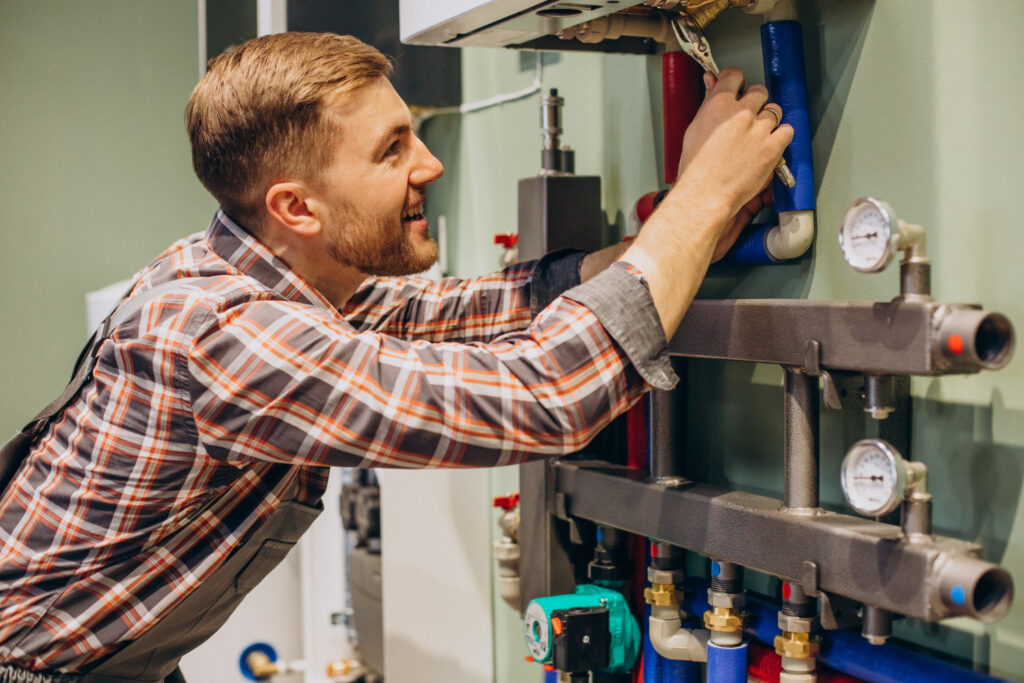
A broken boiler can turn your cozy home into an icy dwelling, especially during the cold winter season. It can be very frustrating when your heating system malfunctions, and not knowing who to call can waste time and money and create a lot of stress. This complete guide will look at all of the professionals that you should call when your boiler breaks down, and it will help you to make an informed decision during a very stressful time.
Understanding Why Boilers Stop Working
Before you make any calls, it helps to understand why your boiler might have stopped working. Sometimes, the issue is minor and can be fixed without professional help; other times, you’ll need a qualified Gas Safe engineer.
Here are some common reasons why boilers fail to work:
- Low boiler pressure: If the pressure gauge reads below 1 bar, the system may not ignite properly.
- Frozen condensate pipe: A frequent issue in winter that prevents the boiler from draining condensation.
- Power supply issue: A tripped fuse or faulty power connection may cut electricity to the boiler.
- Thermostat malfunction: The thermostat may be set incorrectly or need replacement.
- Pilot light failure: In older boilers, the pilot light can go out due to draughts or a broken thermocouple.
- Faulty components: Parts like pumps, valves, or fans can wear out over time.
If you’ve already tried resetting the boiler and checking for error codes with no success, it’s time to seek professional help.
Step 1: Do Basic Troubleshooting
Before you pick up the phone, you can check a few things yourself. These simple steps can sometimes get your boiler running again without needing an engineer.
Quick Checks You Can Do Safely
- Check the boiler pressure:
Ensure the pressure gauge shows between 1 and 2 bars. If it’s too low, repressurising might solve the problem (refer to your boiler manual). - Inspect your thermostat settings:
Make sure the thermostat is set to “heating” and the temperature is high enough to activate the boiler. - Restart the boiler:
Turn off the power, wait a few minutes, and then restart the system. - Check the gas supply:
If your gas hob isn’t working, there might be an issue with your gas supply rather than the boiler. - Look outside for a frozen condensate pipe:
In cold weather, pour warm (not boiling) water over the pipe to defrost it safely.
If none of these steps work, the next move is to contact the right professional — but who exactly should you call when your boiler is not working?
Step 2: Know Who to Call When the Boiler Breaks Down
When your boiler stops working, calling the right expert makes all the difference between a quick, cost-effective fix and a prolonged problem.
1. A Gas Safe Registered Engineer
If the issue seems serious, always call a Gas Safe registered engineer. In the UK, only these certified professionals are legally permitted to work on gas appliances. They can diagnose faults, replace parts, and carry out safe repairs.
When you contact a professional, always check their Gas Safe ID card to confirm they’re qualified for boiler repairs.
2. Your Boiler Manufacturer or Warranty Provider
If your boiler is still under warranty, contact the manufacturer first. They might offer free or discounted repair services. Keep your purchase documents handy for warranty details.
3. Home Insurance or Maintenance Cover
If you have home emergency cover or boiler insurance, you might be entitled to a 24-hour call-out service. In this case, contact your insurer before arranging independent repairs.
4. Local Boiler Experts
If your warranty has expired and you’re looking for a trusted local professional, reaching out to a verified local service provider like Local Boiler is an excellent option.
Local Boiler connects homeowners across the UK with certified heating specialists who can diagnose, repair, and maintain all types of boilers. Their guidance helps you understand what’s wrong, what your options are, and how to avoid costly replacements.
Step 3: When It’s Time for Emergency Boiler Repair
Some situations require immediate attention. If you suspect a gas leak or your boiler is leaking water, do not try to fix it yourself.
Call Emergency Services If:
- You smell gas or suspect a leak – Call the National Gas Emergency Service on 0800 111 999 immediately.
- You hear strange noises, such as banging or whistling.
- There’s water leaking from the boiler or surrounding pipes.
- The boiler displays fault codes you don’t recognise.
Once the situation is safe, contact a Gas Safe registered engineer through a trusted source like Local Boiler to inspect and repair the issue.
Step 4: Prevent Future Boiler Breakdowns
Prevention is always better than cure. By maintaining your boiler properly, you can reduce the risk of unexpected failures.
Tips to Keep Your Boiler in Good Condition
- Schedule annual servicing with a Gas Safe engineer.
- Regularly bleed your radiators to ensure even heating.
- Keep your boiler pressure between 1 and 2 bars.
- Don’t block air vents or flues.
- Inspect your system before winter to avoid cold-season breakdowns.
- Use a carbon monoxide detector near your boiler for safety.
A little maintenance can go a long way in extending your boiler’s lifespan and improving energy efficiency.
Step 5: Consider When to Replace Your Boiler
Sometimes, repairing an old boiler repeatedly can cost more than replacing it. If your boiler is over 10–15 years old, it may be time to upgrade.
Signs You Might Need a Replacement
- Frequent breakdowns
- Rising energy bills
- Uneven heating
- Strange noises or leaks
- Inefficiency compared to modern models
When you’re unsure whether to repair or replace, Local Boiler can help you evaluate your system’s condition and recommend the most cost-effective solution.
How Local Boiler Helps You When Your Boiler Stops Working
Don’t know who to call or what to do next? Let the local Boiler worry about it. We’ll guide you to qualified engineers in your area, tell you what’s causing the problem and make sure your system is repaired safely and efficiently.
Here’s how Local Boiler helps you:
- Connects you with trusted professionals – Find Gas Safe engineers in your local area.
- Provides expert advice – Learn whether your issue needs immediate repair or can be resolved with simple troubleshooting.
- Supports multiple boiler brands – Get guidance for Worcester Bosch, Vaillant, Ideal, Baxi, and other leading brands.
- Focus on safety and reliability – Ensures every repair follows the latest UK safety standards.
Local Boiler isn’t just about fixing problems; it’s about helping UK homeowners make informed choices to keep their heating systems efficient and safe all year round.
When to Contact Emergency Services
Certain boiler-related situations require immediate contact with emergency services. If you smell gas, suspect a gas leak, or notice symptoms of carbon monoxide poisoning (headaches, dizziness, nausea, confusion, or feeling generally unwell), evacuate your property immediately.
Contact the National Gas Emergency Service on 0800 111 999 if you:
- Smell gas anywhere in or around your property
- Suspect a gas leak from any appliance
- Notice symptoms of carbon monoxide poisoning
- Experience a gas explosion or fire
These situations pose serious risks to life and property. The National Gas Emergency Service operates 24 hours a day, 365 days a year, and their response is free of charge. Never attempt to locate or repair a gas leak yourself—leave the property, avoid using electrical switches or creating any sparks, and call for help from a safe location.
Benefits of Choosing a Local Boiler Expert
Calling a local boiler professional offers several advantages compared to large national chains.
Why Choose Local Experts?
- Faster response times – They can reach you more quickly in emergencies.
- Personalised service – Local engineers understand regional issues like hard water or specific weather challenges.
- Transparent pricing – No hidden fees or travel surcharges.
- Long-term trust – You can build a relationship with a reliable local professional for future maintenance.
Red Flags: Who NOT to Call
Being aware of who to avoid is equally important as knowing who to contact. Never hire engineers who:
- Cannot provide Gas Safe registration credentials
- Offer suspiciously low prices that seem too good to be true
- Pressure you into immediate decisions without proper diagnosis
- Refuse to provide written quotes or guarantees
- Cannot provide references or verifiable reviews
- Ask for full payment upfront before completing work
- Suggest unnecessary boiler replacements without proper justification
Unregistered or unqualified individuals working on gas appliances pose serious safety risks. The financial savings from cheaper services pale in comparison to the potential dangers of improper gas work, including gas leaks, carbon monoxide poisoning, fires, and explosions.
Also Read: Combi Boiler Not Heating Radiators – Common Causes & How to Fix Them
The Importance of Local Expertise
Local knowledge and connections should be among the criteria for choosing a boiler repair service. Local heating engineers have an advantage when it comes to local building codes and standards, popular brands and models of boilers in your area, and common issues with boilers in the context of local water quality or weather conditions. Local companies are usually more able to react to emergency calls than national chains, and they can often provide a more personalised service.
Local Boiler has harnessed the value of local knowledge and networks to connect homeowners with qualified tradespeople where they live. By focusing on the value of localised connections and service, you can have peace of mind that you aren’t just getting any engineer to visit your home, but one that understands the nuances of your area’s properties and can help with any future heating needs you may have.
Making the Right Decision Under Pressure
Boiler problems do not generally happen at the most convenient of times and the pressure to get the heating on as soon as possible can make us act rashly. But by taking a few moments to check credentials and costs and choosing the right person for the job, you can save both time and money and have peace of mind that you and your family are safe.
Appealing though it may be, don’t let emergency situations cloud your good sense. Ensure that you ask to see Gas Safe registration before allowing anyone to do any work on your boiler and don’t be afraid to question a diagnosis and repair proposals. An honest engineer will appreciate your interest and be more than happy to explain their work to you.
If you have a feeling that something is not quite right about a repair situation, it could be in the form of high-pressure sales tactics, vague or unclear pricing or the feeling that the engineer is not willing to show credentials. If that is the case, trust your instincts and get a second opinion. Your boiler is one of the most important items in your home and if it needs repairs, you should only use a qualified and reputable engineer who values safety and good workmanship.
Conclusion
Knowing who to call when your boiler stops working removes much of the stress from an already difficult situation. Prioritising Gas Safe registered engineers, understanding when to contact emergency services, and utilising resources like insurance providers and guidance platforms ensures you receive safe, effective repairs whilst protecting yourself from unqualified individuals.
The key to managing boiler breakdowns effectively lies in preparation—establishing relationships with trusted engineers before emergencies arise, maintaining appropriate insurance coverage, and scheduling regular servicing to prevent failures. When problems do occur, making informed decisions about who to contact and what questions to ask leads to faster resolutions and greater peace of mind.
Your home’s heating system is too important to leave to chance. By following the guidance outlined in this article and utilising helpful resources to connect with qualified local professionals, you can ensure that when your boiler stops working, you know exactly who to call and what to expect from the process.
Frequently Asked Questions
1. What should I do first if my boiler stops working?
Start by checking the pressure, thermostat settings, and power supply. If everything seems fine and the boiler still doesn’t work, contact a Gas Safe engineer through a trusted service like Local Boiler.
2. Is it safe to try to fix a boiler myself?
No, you should never attempt to repair a gas boiler yourself. It’s both dangerous and illegal unless you’re Gas Safe registered.
3. How do I know if my boiler needs replacing?
If it breaks down frequently, makes strange noises, or your energy bills are rising, it might be time to replace it. Local Boiler can help you assess your system.
4. Can I get help during the night or weekends?
Yes. Many local engineers offer 24/7 emergency boiler repair services. Check with Local Boiler to find an available engineer near you.
5. How can I prevent my boiler from breaking down again?
Schedule annual servicing, check the pressure regularly, and ensure proper ventilation. Keeping your system maintained reduces the risk of breakdowns.
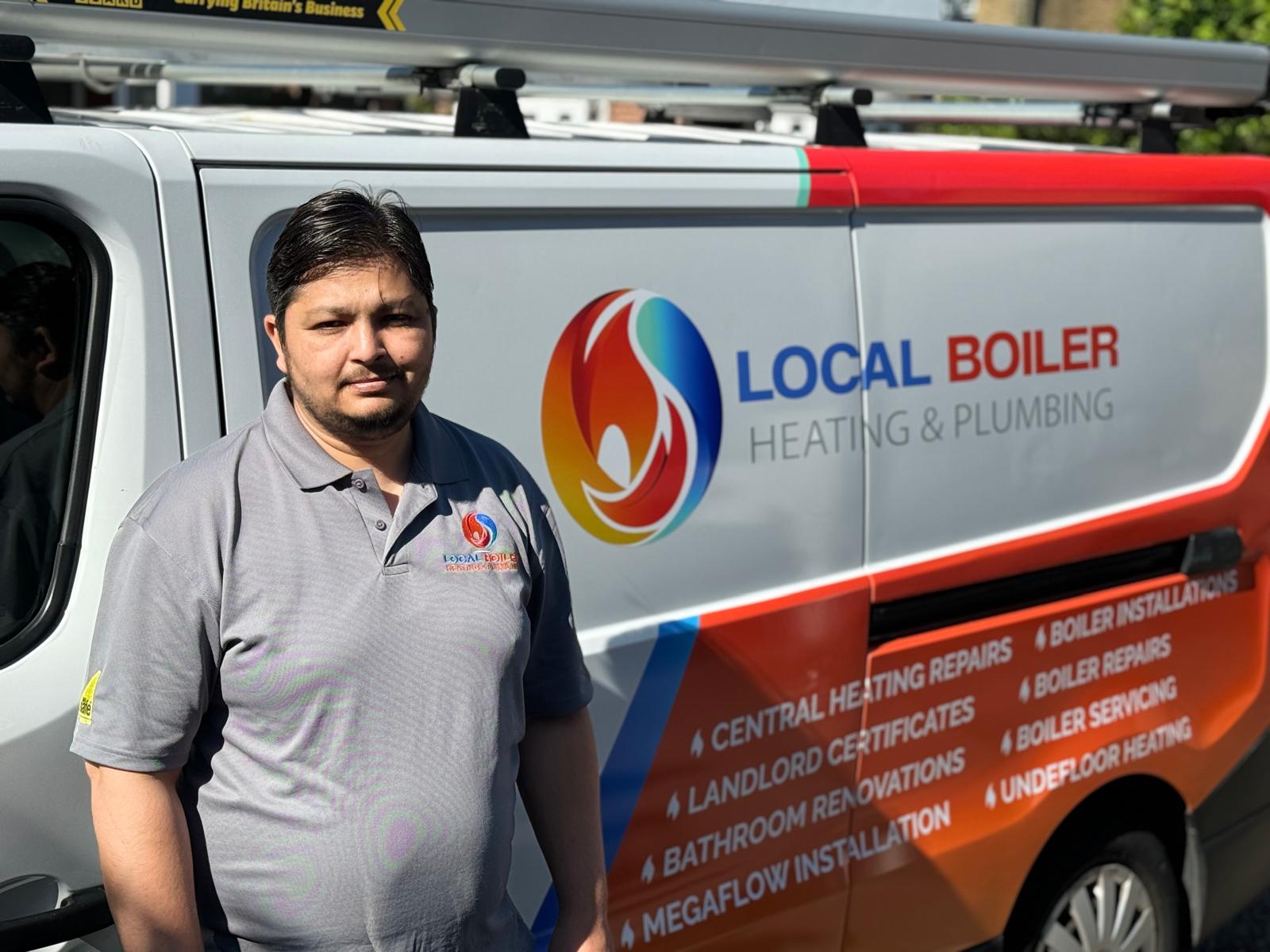
Sunny Saini is a certified heating engineer with over 15 years of experience in maintaining and repairing boilers. He specializes in diagnosing complex boiler issues and providing reliable solutions to ensure homeowners stay warm and comfortable throughout the year.




![]=](https://localboiler.co.uk/wp-content/uploads/2024/05/Untitled-design-96-300x300.jpg)