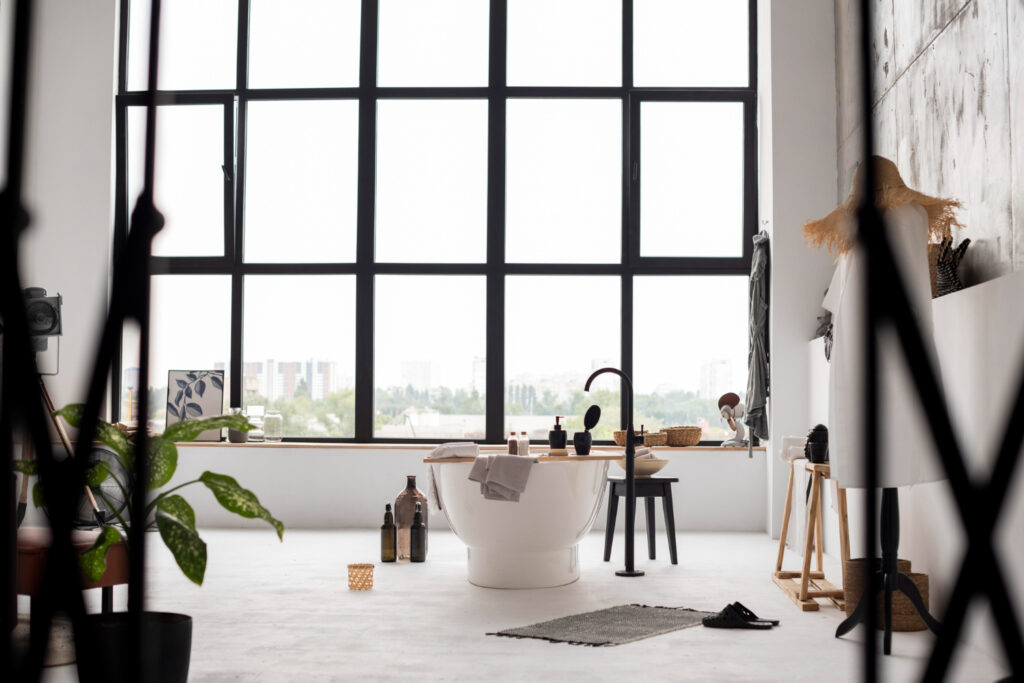
Installing a bathroom in your loft is one of the best additions you can make to your home. You can have plenty of room to play with if you have a large attic or even a small loft conversion. There are lots of things you can do with a bathroom in your loft that you just can’t do in a regular bathroom. From angled ceilings to exposed rafters and lots of natural light, your options are endless.
We have compiled a list of twenty incredible loft bathroom ideas to spark your creativity. Check out our guide to building a bathroom in your loft.
Understanding the Unique Challenges of Loft Bathrooms
First things first, you need to understand what makes a loft bathroom unique. Roof slopes, lower head clearance and sometimes restricted lines all play a factor when designing your dream bathroom. The beauty of a loft space is the ability to work with these restrictions and come up with creative ideas that no one else will think of.
Once you understand the basics, it’s time to start planning out your dream loft bathroom. Plumbing, ventilation, waterproofing and building code issues should be considered during the initial phases of your project. This is where hiring a professional can come in handy. They will help you navigate these issues and make your dream bathroom a reality.
20 Inspiring Loft Bathroom Design Ideas
1. The Skylight Sanctuary
Transform your loft bathroom into a light-filled haven by incorporating strategically placed skylights. Natural light from above creates an airy, spacious feeling whilst providing privacy. Position your freestanding bath directly beneath a skylight for the ultimate relaxation experience, allowing you to soak whilst gazing at the stars or watching clouds drift by.
2. Industrial Chic with Exposed Beams
Celebrate your loft’s architectural heritage by showcasing original timber beams. Pair these rustic elements with contemporary fixtures think sleek chrome taps, a modern walk-in shower, and minimalist sanitaryware. The contrast between old and new creates a sophisticated, urban aesthetic that’s both timeless and trendy.
3. All-White Minimalist Retreat
An all-white colour scheme maximises light reflection and creates the illusion of more space particularly beneficial in loft conversions with limited floor area. White metro tiles, a white suite, and pale timber or stone flooring create a serene, spa-like atmosphere. Add texture through different finishes: matte walls, glossy tiles, and natural wood accents.
4. The Eaves Storage Solution
Those awkward low-ceiling areas beneath the eaves needn’t be wasted space. Commission bespoke fitted storage units that follow the roofline perfectly. These custom solutions provide ample storage for towels, toiletries, and bathroom essentials whilst maintaining clean lines and maximising every centimetre of available space.
5. Wet Room Wonderland
Converting your loft into a fully tanked wet room eliminates the need for a separate shower enclosure, creating a seamless, open-plan bathing space. This approach is particularly effective in loft conversions, as it removes visual barriers and makes the room feel significantly larger. Proper waterproofing is absolutely critical something that experienced professionals understand implicitly.
6. Luxe Hotel-Inspired Design
Channel the elegance of a five-star hotel with marble-effect tiles, gold or brass fixtures, a statement mirror, and plush textiles. A freestanding slipper bath positioned centrally creates a focal point, whilst underfloor heating adds practical luxury. Consider heated towel rails and dimmer switches to complete the indulgent atmosphere.
7. Scandinavian Simplicity
Embrace the Nordic aesthetic with pale woods, clean lines, simple geometric patterns, and a neutral colour palette punctuated by black accents. This design philosophy prioritises functionality without sacrificing beauty, making it ideal for loft bathrooms where space efficiency matters.
8. The Bold Wallpaper Statement
Who says bathrooms must be neutral? Transform one wall with bold, water-resistant wallpaper featuring dramatic patterns or tropical motifs. This approach adds personality and visual interest without overwhelming the space. Keep the remaining surfaces simple to allow your feature wall to shine.
9. Vintage-Inspired Elegance
Combine traditional fixtures like a clawfoot bath, Victorian-style taps, and a pedestal basin with vintage-inspired tiles in heritage colours. Complement with period-appropriate accessories such as ornate mirrors, traditional light fittings, and classic tile patterns like checkerboard or encaustic designs.
10. Monochrome Drama
Create striking visual impact with a black and white scheme. Black fixtures against white tiles (or vice versa) deliver bold, contemporary style. Consider black-framed shower screens, matte black taps, and white subway tiles with black grouting for a graphic, Instagram-worthy look.
11. Nature-Inspired Sanctuary
Bring the outdoors in with natural materials: stone tiles, wooden vanity units, live plants, and earthy colour palettes. Travertine, slate, or limestone create organic textures, whilst greenery thrives in the humid bathroom environment. This biophilic approach promotes wellbeing and relaxation.
12. The Space-Saving Corner Shower
When floor space is limited, a corner shower installation makes excellent use of available area. Modern designs with frameless glass screens maintain visual openness whilst rain showerheads and body jets add luxury. This configuration leaves more room for other essential elements.
13. Dual-Purpose Bathroom and Dressing Area
If your loft conversion is spacious enough, consider incorporating a dressing area alongside the bathroom. Built-in wardrobes along one wall, a stylish dressing table, and good task lighting create a comprehensive private suite that adds significant value to your property.
14. Coastal-Inspired Calm
Evoke seaside serenity with soft blues, sandy neutrals, white-washed wood, and nautical touches. Ship-lap wall panelling, rope accessories, and marine-themed artwork complete the look. This style works particularly well in loft spaces with plenty of natural light.
15. The Statement Freestanding Bath
Make a freestanding bath the undisputed star of your loft bathroom. Position it to take advantage of the best views—whether that’s through a gable window or beneath a skylight. Copper, stone resin, or classic roll-top designs each offer different aesthetic impacts.
16. Compact Efficiency with Wall-Hung Fixtures
Wall-mounted toilets, basins, and vanity units create the illusion of more floor space by exposing more flooring. This “floating” effect makes even small loft bathrooms feel less cramped. The practical benefit of easier cleaning is an added bonus.
17. Geometric Tile Patterns
Transform floors or walls with contemporary geometric tiles—hexagons, arabesques, chevrons, or Moroccan-inspired patterns. These eye-catching designs add visual interest and personality. Balance bold patterns with plain tiles or neutral paint to prevent overwhelming the space.
18. The Home Spa Experience
Incorporate wellness features such as a steam shower, chromotherapy lighting, rainfall and handheld showerheads, heated flooring, and built-in speakers. Create a dedicated relaxation zone where you can escape daily stresses without leaving home.
19. Smart Storage Integration
Clever storage solutions are essential in loft bathrooms:
- Recessed shelving within stud walls
- Mirrored cabinets that provide storage whilst reflecting light
- Ladder shelving units that lean against sloped walls
- Pull-out organisers beneath basins
- Over-toilet storage cabinets
- Built-in niches within shower areas for toiletries
20. Mixed Material Sophistication
Combine different materials for visual depth and interest: concrete-effect tiles with warm timber, glossy ceramics with matte paint, metal fixtures with natural stone. The key is ensuring materials complement rather than compete, creating a cohesive, layered look.
Essential Considerations for Loft Bathroom Success
When planning your loft bathroom conversion, keep these critical factors in mind:
- Structural assessment: Ensure the floor can support the additional weight, particularly of a filled bath
- Plumbing access: Plan waste pipe routes and water supply carefully
- Ventilation: Adequate ventilation prevents condensation and mould in enclosed loft spaces
- Headroom: Position fixtures where ceiling height is sufficient (minimum 2.1 metres recommended)
- Natural light: Maximise skylights or gable windows where possible
- Heating: Loft spaces can be cold, so consider underfloor heating or heated towel rails
- Building regulations: Comply with all relevant regulations regarding drainage, ventilation, and structural alterations
- Access: Ensure the staircase provides adequate access for fixtures and furniture
Also Read: How Long Does a Velux Loft Conversion Take?
How LB Group Helps You Achieve Your Loft Bathroom Vision
To renovate and install a bathroom in your loft will take professional expertise and skill. You want someone who will measure everything meticulously and ensure project management is seamless.
At LB Group, we offer bathroom installation and renovation services in London. With over eight years’ experience in the industry, we pride ourselves on providing bathroom conversions to customers throughout London.
When it comes to lofts, we are used to the challenge of limited space, and know how to overcome this. From start to finish you can expect the following service from us:
At LB Group we are honest about our prices so there are no surprises. From a small ensuite under the stairs to converting your loft into a luxury primary bathroom, we will listen to your requirements, visit the roof space to determine how we can utilise the area and offer advice on how best to achieve your dream bathroom. We won’t leave you feeling overwhelmed with a loft conversion, as there are often many hurdles that come with the build. We will help you navigate building regulations, structures and intricate plumbing.
Conclusion
Looking for loft bathroom ideas? Converting your loft space into a bathroom can be a great way to add value, functionality and luxury to your home. If you’re dreaming of sleek Scandinavian-inspired designs, hotel-style indulgence or a super-practical wet room, the options are only limited by your budget and the shape of your roof!
Our 20 favourite loft bathroom designs showcase how you can work with architectural features such as exposed wooden beams and angled ceilings to make quirky design features, incorporate clever storage, big splashes of colour and statement furniture pieces.
Above all, your loft conversion bathroom should be well-planned and executed with quality finishes. Work with trusted professionals who know the building regulations and potential challenges of converting your loft space, from insulation and building regulations to waterproofing. That way you can relax knowing your dream bathroom will be completed to a high standard, avoiding any hidden pitfalls along the way.
The most important thing is that you love your new loft bathroom space. Use it every day and enjoy the function it provides whether that’s a luxurious morning routine or a calm bathing space to unwind in after work. Take your time to plan the space out, invest in great fittings and bathware and work with knowledgeable professionals who have delivered beautiful bathroom conversions in the past.
Frequently Asked Questions
1. How much does a loft bathroom conversion typically cost?
Loft bathroom conversion costs vary considerably depending on size, specification, and existing infrastructure. Basic conversions might start from £2,500, whilst luxury installations with high-end fixtures, premium materials, and complex plumbing requirements can exceed £15,000-20,000. Factors affecting cost include structural work required, plumbing complexity (especially waste pipe routing), fixture quality, tiling choices, and whether you’re creating a simple WC or a full bathroom suite. Professional companies like LB Group provide transparent quotations based on your specific requirements, helping you understand costs from the outset.
2. Do I need planning permission for a loft bathroom conversion?
Most loft bathroom conversions fall under permitted development rights and don’t require planning permission, provided you’re not altering the roofline or external appearance significantly. However, you will need to comply with Building Regulations, which cover structural integrity, ventilation, drainage, waterproofing, and electrical safety. If your property is listed or in a conservation area, additional restrictions may apply. It’s advisable to consult with experienced professionals who understand local authority requirements and can guide you through the approval process.
3. Can any loft be converted into a bathroom?
Not all lofts are suitable for bathroom conversion. Key considerations include adequate headroom (minimum 2.1 metres in usable areas), sufficient floor space, structural capacity to support bathroom fixtures and water weight, access to waste pipes and water supply, and adequate ventilation possibilities. A structural survey determines feasibility and identifies any reinforcement needed. Even challenging spaces can often be converted with creative design and expert planning, but some lofts may prove impractical or prohibitively expensive.
4. How long does a loft bathroom installation take?
Installation timescales depend on project complexity. A straightforward bathroom installation in a loft with existing infrastructure might take 2-3 weeks. More complex conversions requiring structural work, significant plumbing alterations, or custom features could extend to 4-6 weeks or longer. Factors affecting duration include the scope of work, material availability, access constraints, and whether you’re combining the bathroom conversion with broader loft conversion work. Experienced installers provide realistic timescales and keep projects on schedule.
5. What’s the most important consideration for loft bathrooms?
Whilst many factors contribute to successful loft bathroom conversions, proper waterproofing stands paramount. Given the enclosed nature of loft spaces and the risk of water damage to ceilings below, comprehensive waterproofing—particularly for wet rooms and shower areas—is absolutely critical. This includes tanking floors and walls, ensuring proper drainage falls, sealing penetrations, and using appropriate membranes. Professional installation by certified specialists ensures this crucial aspect is executed correctly, protecting your investment and preventing costly future problems.
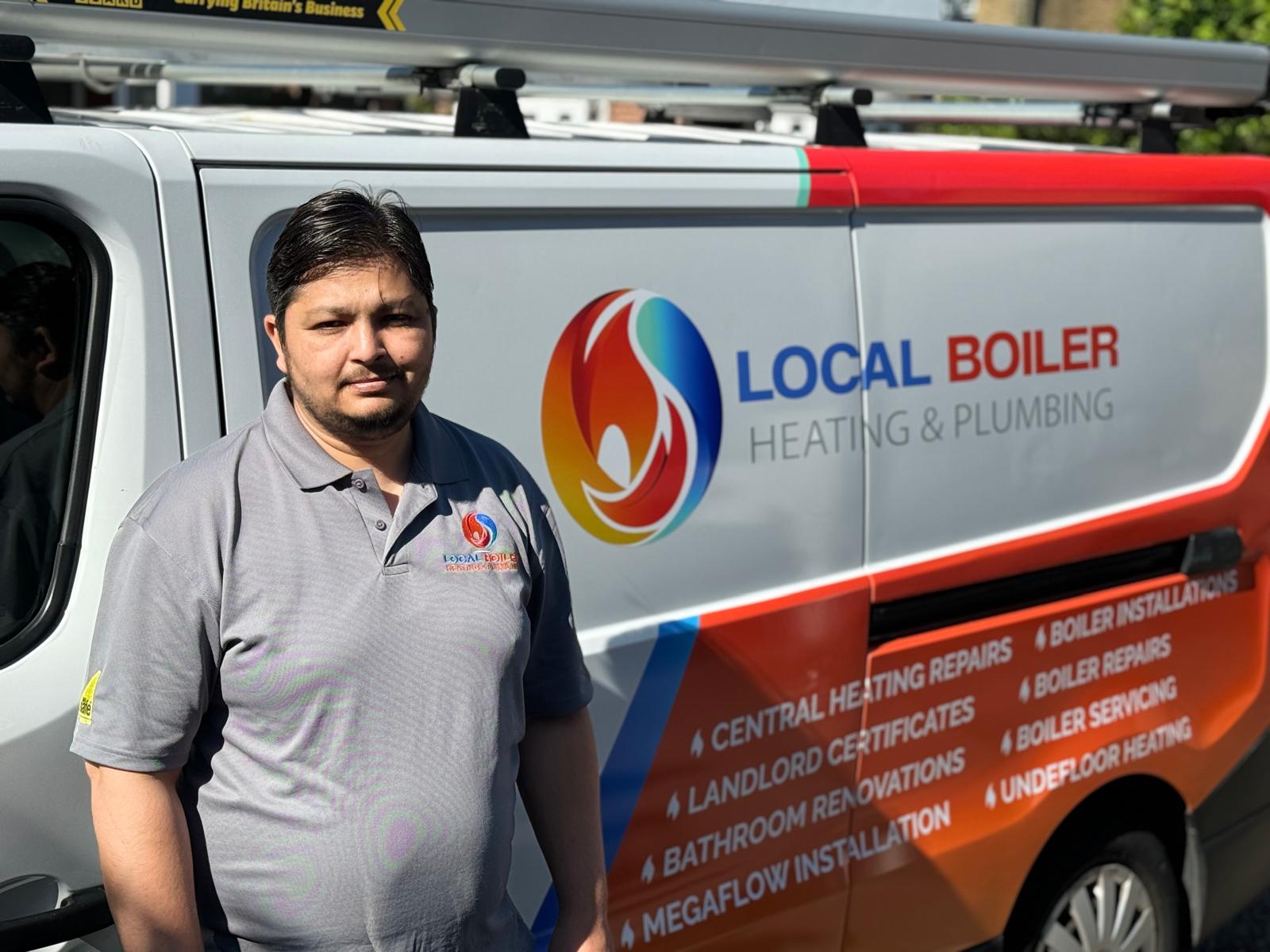
Sunny Saini is a certified heating engineer with over 15 years of experience in maintaining and repairing boilers. He specializes in diagnosing complex boiler issues and providing reliable solutions to ensure homeowners stay warm and comfortable throughout the year.




![]=](https://localboiler.co.uk/wp-content/uploads/2024/05/Untitled-design-96-300x300.jpg)